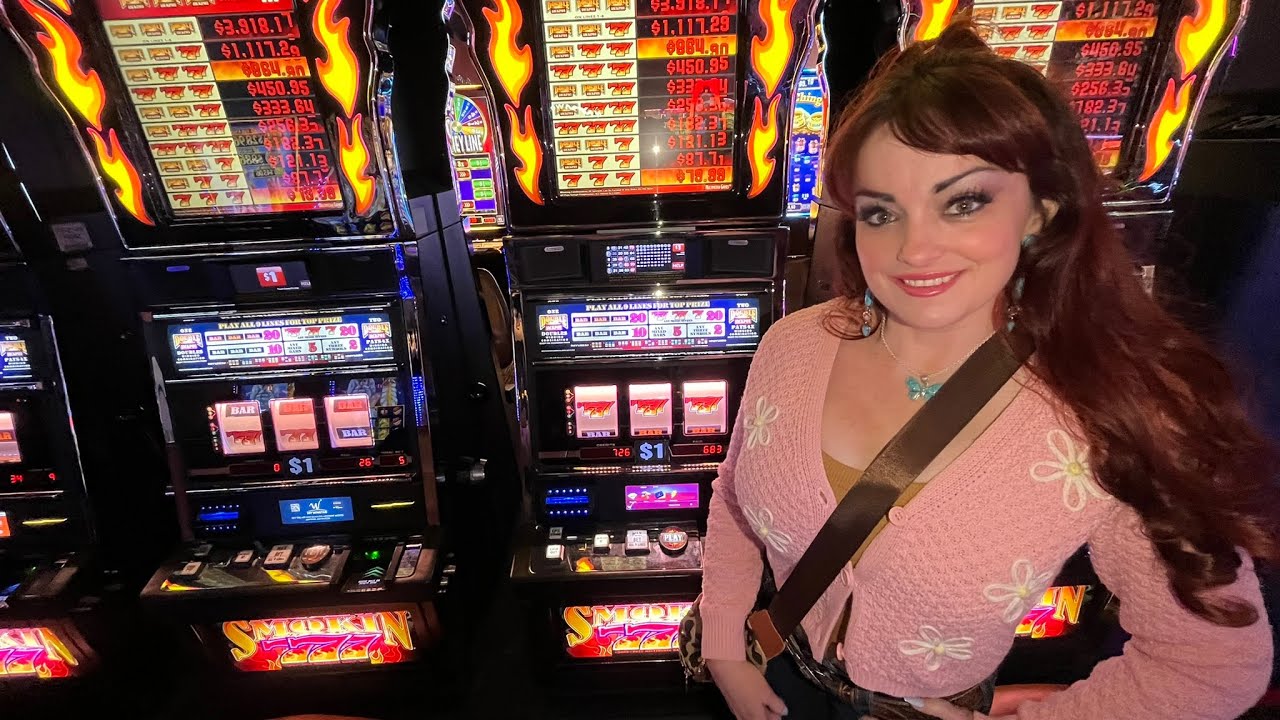
Slot Gacor: A Long-Running Internet Myth Shaped by Probability and Player Experience
The term slot gacor has become a dominant keyword in online slot gaming discussions, often used to describe games that seem to produce frequent wins or “feel lucky” during play sessions. While it is widely recognized across gaming communities and search engines, the concept itself is not part of any official slot machine design or algorithm. Instead, it reflects how players interpret randomness, probability, and emotional experiences in digital gaming environments.
As online gaming continues to expand globally, slot gacor remains a persistent example of how internet culture shapes beliefs around chance-based systems.
What Slot Gacor Means in Practice
In everyday usage, slot gacor is an informal label given to slot games that appear to be performing well. Players usually describe a game as gacor when they experience:
- Frequent small or medium wins
- Bonus features triggering repeatedly
- A feeling of consistent “luck” during gameplay
However, this interpretation is entirely subjective. The same game can produce completely different experiences for different players, or even for the same player at different times. This inconsistency shows that slot gacor is based on perception rather than measurable mechanics.
RNG Systems: Why Slot Gacor Cannot Be Real
Modern online slot games rely on RNG (Random Number Generator) technology, which ensures fairness and unpredictability in every spin.
RNG systems guarantee that:
- Each spin is independent of previous spins
- No pattern or cycle determines outcomes
- Results cannot be predicted or influenced
- Probability remains constant over time
Because of this, a slot game cannot enter a slot gacor phase. The system does not adjust itself based on wins, losses, or timing. Every spin is generated independently, making outcomes fully random.
What players interpret as “hot streaks” are simply natural clustering effects in probability.
Why the Brain Creates the Slot Gacor Illusion
Human psychology plays a major role in the belief in slot gacor. The brain is designed to find patterns, even in random data.
Key psychological factors include:
1. Pattern recognition bias
Humans naturally attempt to organize random events into meaningful sequences.
2. Recency effect
Recent wins feel more important than earlier losses, shaping perception of the game.
3. Emotional reinforcement
Winning triggers excitement and dopamine response, making those moments easier to remember.
These cognitive effects make randomness feel structured, reinforcing the illusion that certain games are more “active” or “lucky.”
RTP and Volatility: Often Misunderstood Concepts
Two important terms frequently mentioned in slot gacor discussions are RTP (Return to Player) and volatility.
- RTP (Return to Player): A long-term statistical average representing expected returns over millions of spins. It does not influence individual sessions.
- Volatility: Describes how payouts are distributed. High volatility means rare but larger wins, while low volatility means frequent but smaller wins.
Players sometimes interpret short-term winning streaks in high-volatility games as evidence of slot gacor behavior. In reality, these outcomes are expected variations within probability-based systems.
Social Media Influence on Slot Gacor Popularity
The spread of slot gacor has been heavily amplified by social media platforms. Short clips showing big wins are widely shared on TikTok, YouTube, and online forums.
These videos often:
- Focus only on winning spins
- Exclude losing sequences or long sessions
- Emphasize entertainment value over statistical reality
This creates a selective perception where certain games appear more consistently rewarding than they actually are, strengthening the belief in slot gacor trends.
SEO and the Growth of Repetitive Content
The keyword slot gacor is also driven by SEO strategies. Many websites use it because of its high search volume and strong user interest.
This results in:
- Repeated “top gacor slots” articles
- Lists of recommended games based on trends
- Claims about timing or pattern-based strategies
While effective for attracting traffic, this content is not grounded in verified game mechanics. Instead, it reflects how search demand influences content creation.
The Myth of Timing-Based Wins
A common belief is that slot gacor games perform better at certain times of day or under specific conditions. However, RNG systems are not influenced by time or external factors.
This means:
- No “lucky hours” exist
- No scheduled payout cycles are programmed
- No environmental or behavioral factors affect outcomes
Each spin remains fully independent, regardless of timing.
Responsible Gaming Perspective
Understanding the reality behind slot gacor is important for maintaining healthy gaming behavior. Misinterpreting randomness as predictable patterns can lead to unrealistic expectations.
A responsible approach includes:
- Viewing slot games as entertainment
- Accepting randomness as fundamental
- Avoiding reliance on perceived patterns
- Managing time and spending responsibly
This helps maintain a balanced and enjoyable gaming experience.
Conclusion
The concept of slot gacor is a cultural and psychological interpretation of randomness rather than a real feature of slot systems. It persists due to human pattern recognition, emotional reinforcement, and the influence of social media and SEO-driven content.
In reality, all modern slot games operate using RNG technology, ensuring fairness and unpredictability in every spin. What players describe as “gacor moments” are simply natural statistical fluctuations.
Ultimately, understanding this helps players approach online slots with realistic expectations—seeing them as entertainment based on chance, not systems that can be predicted, controlled, or optimized.