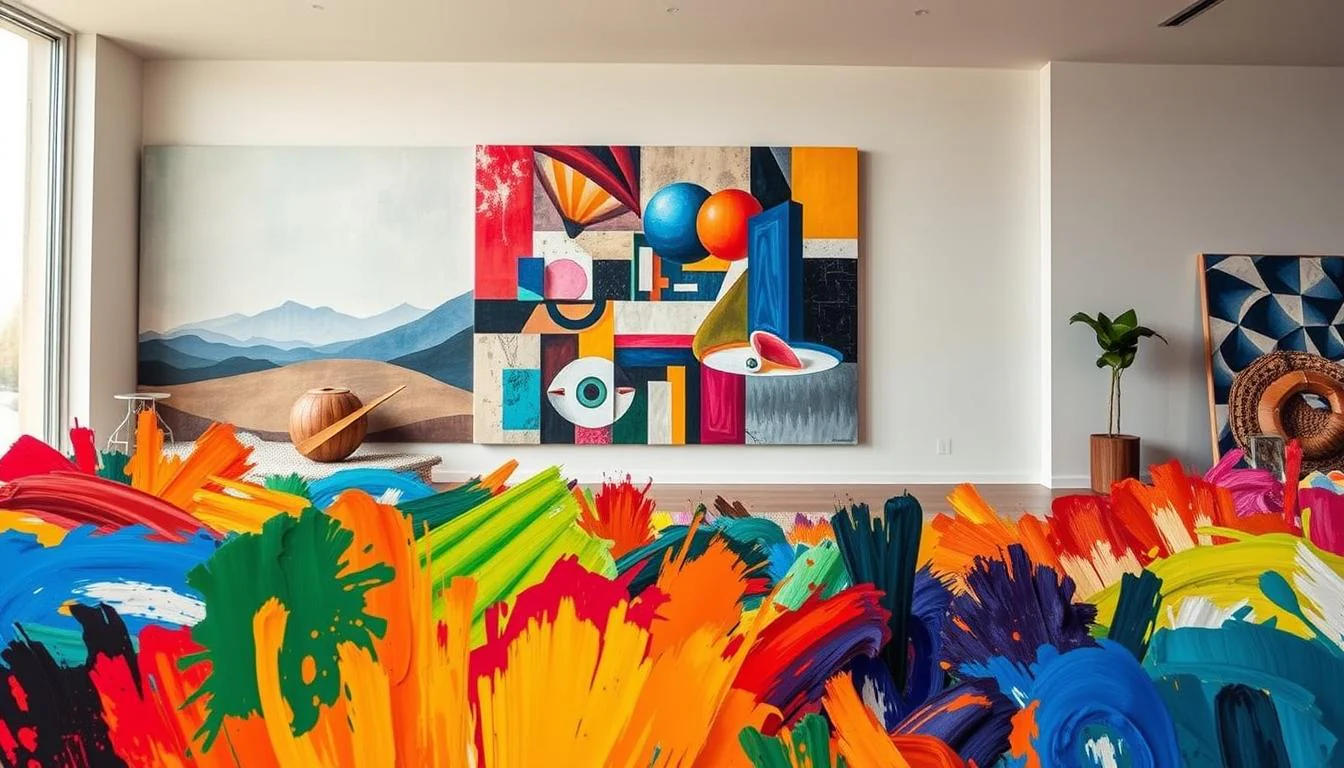
Modern Art Collection Featuring Abstract Wall Art: A New Language of Interior Aesthetics
Interior design is to me so much more than placing furniture or arranging an area for it to function. Today this is often known as visual storytelling where every surface tells its own story in meaning, emotion and identity. In this changes, Abstract Wall Art become strong part of design to set mood, expression and it styles.
The Modern Art Collection, organized around abstract expression introduces a visual language to usher through emotional depth into spatial structure. Far from just looking at walls as mere 3D surfaces upon which to hang art, it turns them into signifiers that influence the way people experience a space.
Evolution of Abstract Wall Art
Abstract Wall Art – The Evolution of a Broader Artistic Philosophy Old paintings were very representational in nature, for example it was clear who and what is represented. However, in the case of modern design, it is more about how your mind can interpret what you see; creating a relationship with the art itself than just being presented with it.
You abstract art removes the strict boundaries of form and meaning. It does not tell you how to interpret. Instead, it encourages subjective experience, emotional engagement, and creative expression.
This transformation has made abstract expression a central component of the modern interior. It appeals to the modern human who prefers simplicity and flexibility over a strict visual structure that speaks to the soul.
Importance of Curated Art Collections
A Contemporary Art Collection is more than a cluster of artworks assembled in one place. A selective system that keeps consistency in visual design, rhythm of the theme and flow between pieces.
A curated collection helps maintain a cohesive design vocabulary rather than random visual craziness. This is especially the case in interior settings where a number of pieces need to interact as part of a larger spatial composition.
Curated collections have the following benefits:
Keeping a solid design language throughout the interiors
Support architectural flow and spatial rhythm
Strengthening brand identity in commercial locations or personal style in homes
A Modern Art Collection transcends abstract pieces into a cohesive Design Language by ensuring consistency.
Emotional and Visual Impact
The emotional flexibility of Abstract Wall Art is one of its biggest strengths. Either Abstracted art effects readers, artists know how a room feels and how it moves.
Abstract shapes, unlike literal imagery appeals to the subconscious mind, and produce emotional responses that may differ from viewer to viewer depending on context and interpretation.
Abstract compositions can:
You interact with the infra-structure of a space by doing shapes very dynamic and powerful
Calm Space using soft tones & soft transitions
Embossed intricacies in pattern grounded by rule-driven structure
The ability of abstract art to condense different emotions within simple graphic forms makes it perfect for almost all spaces; be it in the personal environment or a professional setup.
Residential and Commercial Use
Abstract Wall Art is highly versatile, making Abstract Wall Art useful for residential and commercial interiors alike. Its versatility to fit different moods and design languages makes it controllable across niches.
Common applications include:
Self contained apartments and homes where the warm touches and a personal touch matter
Corporate events that need professional setting infused with creative energy
Hotels and lounges created to deliver first-class guest experiences
Commercial Showrooms (Stylistic signature and the nature of Commercial spaces)
Abstract art performs multiple roles in each of these spaces, functioning as decoration and provide emotional structure and spatial identity.
Design Integration Principles
The Ideal Approach to Using Total Abstract Wall Art in a Modern Art Collection Abstract wall paintings can beautifully complement interior design as long as the two are integrated.New lines of modern art will revive an old piece or be an influencing factor so that new devices work fantastically together without hindrance. Context is everything when it comes to how a work of art is viewed and interacted with.
Key integration principles include:
Keeping background design to a minimum as to avoid visual distraction
Controlling lights as art for artist-controlled form, texture and color depth
Art will be aligned in proportional relationships with furniture and architectural structure
Please do not overcrowd your visuals — maintain clarity and ensure balance
When done according to these guidelines, abstract art goes on to be an important design feature as opposed to being an afterthought or ornament.
Interior Designains New Vocabulary
Most of the contemporary interior aesthetic is founded on emotional intelligence, contextual awareness and edited graphic identity. At the heart of this new design language is Abstract Wall Art.
It transcends ornamentation and serves as an expressive tool that unites architecture, emotion, and perception. Via thoughtfully designed collections, abstract art finds rhythm balance and meaning in our interiors.
This way of thinking is representative of a larger movement in design where interiors are no longer static containers but living experiences shaped by art and emotion.
Conclusion
Modern art: Abstract Wall Art in a Modern Art Collection Signifies a New Generation of Interior Design It marries emotional expression to the rigorous rules of design, spaces that somehow feel designed, poised and alive.
This confluence of interpretation and colorful dynamics added to the larger space equilibrium transforms spaces into purposeful places. It is more than simply a visual embellishment, it becomes a design language for how modern spaces are remembered, understood and experienced.