Horseback Riding: A Timeless Activity for Adventure, Fitness, and Connection with Nature
Horseback riding is one of the oldest and most rewarding outdoor activities in human history. From ancient transportation and farming to modern sport and recreation, riding horses continues to attract people of all ages around the world. Whether done for leisure, competition, or therapy, horseback riding offers a unique blend of physical exercise, mental relaxation, and a deep connection with animals.
The History and Appeal of Horseback Riding
Horseback riding dates back thousands of years, when horses were first domesticated for travel, agriculture, and warfare. Over time, as technology replaced horses in daily transportation, riding evolved into a sport and recreational activity. Today, it is enjoyed in many forms, including trail riding, show jumping, dressage, and rodeo events.
One of the main reasons horseback riding remains popular is the special bond between humans and horses. Riders often describe a sense of trust and communication that develops over time. This connection makes the experience more than just a physical activity—it becomes an emotional and rewarding partnership.
Health Benefits of Horseback Riding
Many people are surprised to learn that horseback riding provides significant physical and mental health benefits. It is considered a full-body workout that engages multiple muscle groups while also improving coordination and balance.
Some key health benefits include:
- Improved core strength: Riders constantly use abdominal and back muscles to maintain balance.
- Better posture and coordination: Sitting correctly on a moving horse strengthens alignment and body awareness.
- Cardiovascular exercise: Riding, especially at faster gaits, increases heart rate and improves endurance.
- Mental well-being: Spending time with horses and being outdoors reduces stress and anxiety.
- Confidence building: Learning to control a large animal helps develop self-confidence and discipline.
Horseback riding is also used in therapeutic programs known as equine therapy, which helps individuals with physical, emotional, or developmental challenges improve mobility and emotional health.
Types of Horseback Riding
There are several styles of horseback riding, each offering a different experience and skill level.
1. Trail Riding:
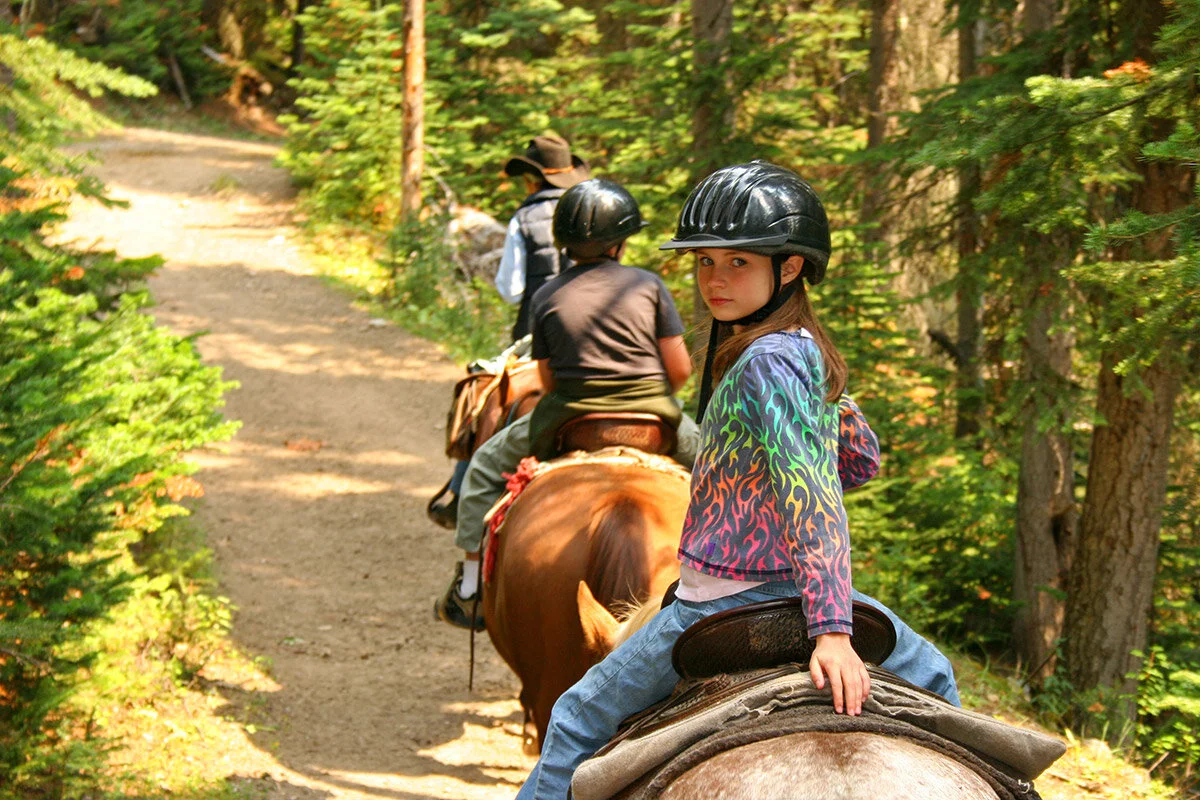
This is the most popular form for beginners and recreational riders. It involves riding horses on natural trails through forests, fields, or mountains. It focuses on relaxation and enjoying nature.
2. English Riding:
Common in competitive sports such as dressage and show jumping, English riding emphasizes precision, control, and elegance.
3. Western Riding:
Originating from ranch work in the United States, Western riding is often used for cattle herding and rodeo events. It typically involves a more relaxed riding style and a different type of saddle.
4. Racing and Performance Riding:
This includes horse racing and other competitive events where speed and training are essential.
Safety Tips for Horseback Riding
While horseback riding is enjoyable, safety is extremely important. Horses are large, powerful animals, and proper handling is essential to prevent accidents.
Important safety tips include:
- Always wear a certified riding helmet
- Learn proper mounting and dismounting techniques
- Follow instructions from experienced trainers
- Use appropriate riding gear and equipment
- Stay calm and avoid sudden movements around horses
Beginners should always start with trained instructors and well-trained horses to build confidence and skills safely.
Getting Started with Horseback Riding
For those interested in trying horseback riding, the best way to start is by enrolling in a local riding school or stable. Professional instructors can teach the basics, including horse care, grooming, and riding techniques. Starting with short, supervised sessions helps new riders build comfort and trust.
It is also helpful to understand horse behavior. Horses are sensitive animals that respond to body language and emotions. Learning how to communicate with them improves the overall riding experience.
Conclusion
Horseback riding is more than just a recreational activity—it is a powerful way to connect with nature, improve physical fitness, and build emotional strength. Whether you are riding through scenic trails or training in an arena, the experience offers freedom, excitement, and personal growth. As both a sport and a lifestyle, horseback riding continues to inspire people around the world to explore the unique bond between humans and horses.