Apple Original Charger vs Third-Party USB-C Charger: What’s the Difference?
Since iPhones dropped their bundled charger years ago, buyers face a real choice: pay more for an Apple original charger, or save money with a third-party USB-C charger. This guide breaks down the genuine differences, helping Bangladeshi buyers decide with confidence rather than guesswork.
How USB-C PD Charging Works
Both Apple and third-party chargers commonly use USB-C Power Delivery, or USB PD, as the fast-charging standard. A PD charger communicates directly with your iPhone to negotiate the correct voltage and current automatically. This standardized protocol means any certified PD charger, Apple or otherwise, can technically deliver fast charging to a compatible iPhone.
Apple Original Charger: What You Get
Build Quality and Testing
Apple’s own adapters, like the Apple A2347 20W USB Type-C Power Adapter and Apple A2305 20W USB Type-C Power Adapter, go through Apple’s internal testing standards before reaching the market. This includes verified compatibility across iPhone, iPad, Apple Watch, and AirPods models. Apple explicitly lists compatible devices, from iPhone 8 through iPhone 13 Pro Max, giving buyers clear expectations about performance.
Dynamic Power Adapters for Multiple Devices
Apple’s newer 40W Dynamic Power Adapter with 60W Max goes further, intelligently adjusting output between 40W and 60W depending on the connected device. This adapter charges iPhone, iPad, MacBook Air, Apple Watch, AirPods, and even Vision Pro from a single compact charger. Under ideal conditions, it can bring an iPhone 17 to 50 percent battery in around 20 minutes, showing genuine engineering optimization for Apple’s own charging chips.
Compact, Travel-Friendly Design
Apple’s chargers use folding pins and a minimalist, lightweight build, making them genuinely easy to carry daily. The 3-pin version of the 40W Dynamic Power Adapter plugs securely into standard outlets, while the 2-pin version suits more compact, universal use. This design consistency across Apple’s charger lineup gives a predictable, familiar experience for anyone already in the Apple ecosystem.
Third-Party USB-C Charger: What You Get
Lower Price Point
The most obvious appeal of a third-party USB-C charger is cost. Reputable third-party brands often price comparable wattage chargers below Apple’s own adapters, sometimes significantly so. For buyers on a tighter budget, this price gap matters, especially when charging needs are simple and straightforward.
GaN Technology in Third-Party Chargers
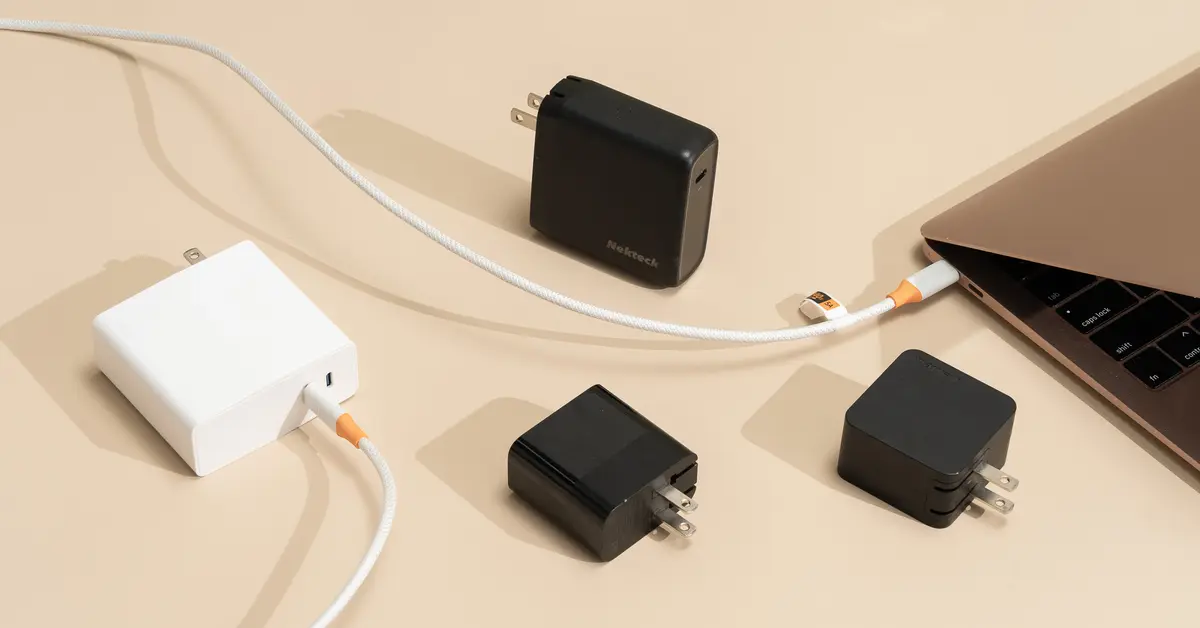
Many third-party chargers now use GaN, or gallium nitride, technology, which allows smaller, more efficient chargers at higher wattages than older silicon-based designs. A GaN charger from a reputable brand can match or even exceed Apple’s charger in physical compactness, while offering multiple ports for charging several devices simultaneously, something Apple’s single-port adapters don’t offer.
Variable Quality Across Brands
This is where third-party chargers require more caution. Quality varies significantly between reputable brands and unverified, ultra-cheap alternatives. A certified third-party charger from an established brand performs reliably and safely. An uncertified, unbranded charger may lack proper voltage regulation, safety certifications, or consistent PD implementation, creating real risk to both charging speed and device safety.
Are Third-Party USB-C Chargers Safe for iPhone?
Generally, yes, if you choose a reputable, certified brand. Look for USB-IF certification and clear PD wattage labeling on any third-party charger before buying. Can third-party chargers damage iPhone batteries? A certified, properly regulated charger won’t damage your battery, since the iPhone’s own charging circuitry controls how much power it draws regardless of charger brand. The real risk comes from uncertified, poorly manufactured chargers that fail to regulate voltage correctly, which is rare among established brands but common among unbranded budget options.
Apple 20W Charger vs Third-Party 20W Charger
At the same 20W output, a genuine Apple 20W charger and a certified third-party 20W PD charger deliver nearly identical charging speeds to your iPhone. The iPhone’s charging chip, not the charger’s brand, ultimately determines how fast it charges at a given wattage. The practical difference comes down to build quality, port count, warranty support, and brand trust, rather than raw charging performance.
Is Apple’s USB-C Charger Worth It?
For buyers who want guaranteed compatibility, consistent quality, and a charger tested specifically for their Apple devices, the original Apple charger remains worth the premium. For buyers who understand how to identify a certified, reputable third-party option, a well-chosen alternative delivers nearly identical performance for less money. The decision ultimately depends on how much you value brand assurance versus straightforward cost savings.
How to Choose a Safe Third-Party iPhone Charger
Check for USB-IF certification or Power Delivery certification labeling on the packaging or product listing. Choose established electronics brands with a track record, rather than unbranded or unusually cheap listings. Match the wattage to your iPhone’s actual charging capacity, typically 20W to 30W for most current models. Buying from an authorized retailer, rather than an unverified marketplace seller, also reduces the risk of counterfeit or substandard chargers.
Where to Buy Genuine Chargers in Bangladesh
Star Tech is a trusted phone accessories shop in Bangladesh, carrying genuine Apple chargers alongside certified third-party USB-C options. Star Tech also offers EMI facilities, making higher-wattage adapters more accessible through manageable monthly payments. Nationwide home delivery also ensures buyers outside Dhaka can access authentic, warranty-backed chargers without visiting a physical store.